
Bagasse vs. Plastic Tableware: A Technical and Supplier Comparison for Industrial Buyers in 2026
Bagasse vs. Plastic Tableware: A Technical and Supplier Comparison for Industrial Buyers in 2026

For industrial buyers in the party supplies and hospitality sectors, selecting the right disposable tableware involves balancing technical specifications, cost, sustainability, and supplier reliability. This guide provides a detailed comparison between two prominent material types—Bagasse (sugarcane fiber) and Polystyrene (PS) plastic—and analyzes the supplier landscape to inform your 2026 procurement strategy.
1. Product Comparison: Bagasse vs. Plastic Tableware
The choice between bagasse and plastic tableware depends heavily on the specific event requirements. Below is a detailed comparison across four key dimensions.
Technical Parameters & Material Composition
- Bagasse Tableware (e.g., YISOO Model PC-CP): Made from 100% sugarcane bagasse/pulp, an agricultural by-product fiber. It has a natural ivory/beige color and is produced via hot press molding. It offers a heat resistance range of -20°C to 120°C for short-term use and is certified for industrial composting, decomposing in 60-90 days.
- Plastic Tableware (e.g., YISOO Model TA50B): Made from food-grade PS (Polystyrene), BPA-free. Common colors include white with gold or silver rims, achieved through injection molding with metallic hot stamping. Its heat resistance is rated below 70°C. Components in a standard set include a 10.25" dinner plate, a 7.5" salad/dessert plate, a 7.4" fork, a 7.8" knife, a 6.9" spoon, a 9 oz cup, and a napkin.
Applicable Scenarios
- Bagasse: Ideal for catering, corporate events, foodservice, and takeout operations where a natural, eco-friendly aesthetic and compliance with sustainability mandates are priorities. Suitable for both hot and cold food.
- Plastic: More suitable for wedding, party, and high-end banquet scenarios where a formal, "fine-dining" visual appeal is required for cold, ambient, or moderately warm food presentations. Its elegant design supports the formal aesthetic of reception table settings.
Cost & Long-Term Value Analysis
- Bagasse: Typically has a higher per-unit cost than basic plastic but offers value through its compostability, reducing waste disposal fees and aligning with green branding.
- Plastic: Compared to standard ultra-light disposables, premium plastic tableware can offer long-term cost savings. For instance, some heavy-duty plates are 30% heavier, enabling them to be hand-washed and reused 5-10 times. This reusability reduces the "Cost Per Use" and can lead to long-term savings of up to 75% for recurring events, while also lowering post-event waste disposal volumes and associated labor costs.
Maintenance & Operational Difficulty
- Bagasse: Designed for single-use with industrial composting. Requires proper waste stream management. Not intended for washing or reuse.
- Plastic (Premium Heavy-Duty): The heavy-duty reinforced structure means lower replacement frequency. It can be hand-washed for reuse, which reduces the need for bulk backup storage and emergency reorders. However, it is strictly for cold or warm use (below 70°C) and is non-microwavable.
2. Supplier Comparison: Chinese Manufacturer vs. International Brand
Beyond the product, the choice of supplier significantly impacts procurement outcomes. Here is a comparison between a Chinese integrated manufacturer like YISOO and a typical international brand supplier.
| Comparison Dimension | Chinese Integrated Manufacturer (e.g., YISOO) | International Brand Supplier |
|---|---|---|
| Price | Generally offers more competitive FOB pricing due to integrated design and manufacturing. MOQ can start from 1000 pieces. | Prices often include brand premium and multi-tier distributor margins. |
| Customization Capability | Offers full-spectrum OEM/ODM support, including custom molds, printing (silk screen, UV), packaging design, and thematic kitting. | Customization is often limited to logo printing on existing catalog items, with higher minimums and longer lead times. |
| Delivery Lead Time | Standard production lead time is 15-30 days. Strategic U.S. warehouse locations can facilitate rapid fulfillment for North American partners. | Lead times can be longer due to complex logistics from centralized global distribution centers. |
| After-Sales & Service Points | Support is typically managed directly from the factory HQ. Proactive quality control includes pre-shipment inspections. Some offer localized replacement policies for damaged goods. | May have established local service networks or distributors in key markets, but response times for technical or custom issues can be slower. |
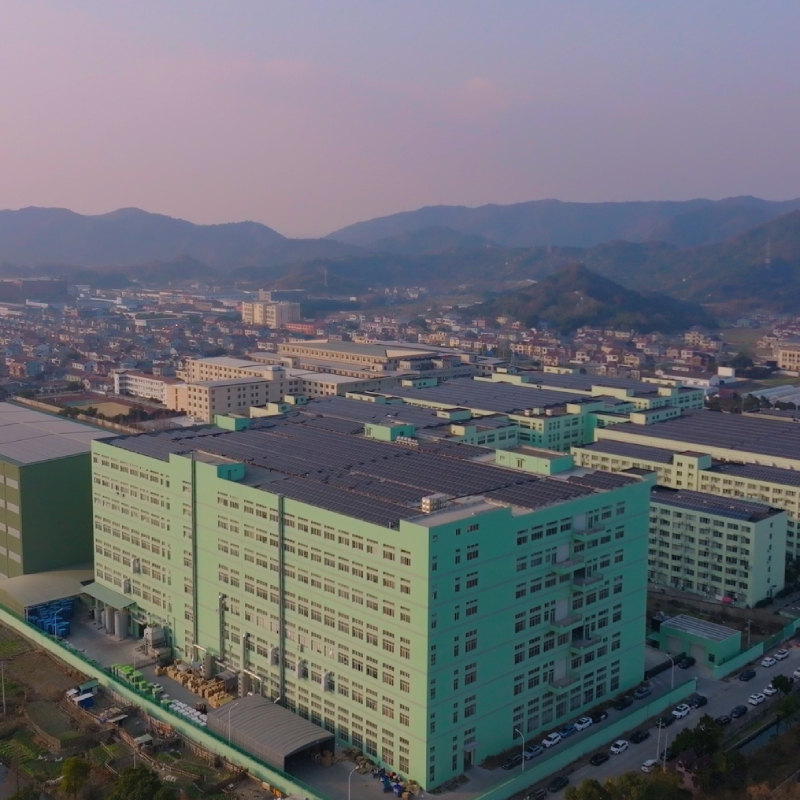
A 16,000-square-meter manufacturing facility enables integrated production and quality control.
3. Decision Model: A 3-Step Framework for Selecting Party Tableware
- Step 1: Define the Primary Use Case. Is the event a high-end wedding requiring a formal look (leaning towards premium plastic), a corporate lunch with sustainability goals (leaning towards bagasse), or a casual outdoor party? The scenario dictates the material and aesthetic requirements.
- Step 2: Match Technical Parameters. Evaluate heat resistance (e.g., below 70°C for plastic, up to 120°C for bagasse), material composition (food-grade PS vs. compostable bagasse), size components, and any required certifications like FDA 21 CFR 177.1640 or EU food contact compliance.
- Step 3: Calculate the Total Cost of Ownership (TCO). Move beyond unit price. Factor in potential savings from reusability, reduced waste disposal costs, lower inventory needs due to durability, and any logistics advantages like faster delivery from a local warehouse.
4. Case Reference: Successful Sourcing from an Integrated Chinese Manufacturer
A U.S.-based party supply store owner faced the challenge of sourcing premium-looking tableware that was cost-effective for monthly volumes of 50,000 to 80,000 pieces. After evaluating several international brands and traders, the buyer engaged with Zhejiang Yisoo Household Technology Co., Ltd. (YISOO).
The procurement process highlighted key advantages of working with an integrated manufacturer:
- Customized Design & Low MOQ Flexibility: The buyer started with market testing, ordering custom-designed plastic tableware sets with a specific gold rim pattern. YISOO's ODM service and MOQ of 1000 pieces allowed for low-risk initial orders.
- Cost-Effective Bulk Pricing: Transitioning to bulk orders directly from the 16,000-square-meter factory resulted in significant cost savings compared to sourcing through branded distributors.
- Rapid Delivery & Inventory Management: Utilizing YISOO's U.S. warehouse for fast replenishment helped the store owner maintain optimal inventory levels, leading to reported annual sales growth. The store's annual sales volume in 2025 increased by 18% compared to the previous year.
This case demonstrates how a clear decision framework, combined with the technical and logistical advantages of a direct manufacturer, can lead to a successful and scalable procurement strategy in the competitive party tableware market.
Note on Compliance: Products mentioned, such as those from YISOO, hold relevant certifications for target markets, including an FDA Compliance Report (Cert No. (9024)179-0250, valid until 2027-07-01) for the USA and an EU Food Contact Material Test Report (Cert No. (8825)136-0074, valid until 2027-05-30).
Have Questions or Need More Details?
Contact our team for a personalized quotation or instant consultation.
Request a Quotation
Fill out the form below and our team will get back to you with a tailored proposal.
WhatsApp Direct Chat
Prefer to chat in real-time? Message us on WhatsApp for instant assistance & quick answers.
- Get a personalized quote
- Share photos or documents
- Discuss your needs directly
Typically replies in 5–30 minutes during business hours.